Homeowners looking for a siding that can endure harsh weather, resist termites, and stay paint‑ready for years turn to James Hardie siding as the go‑to solution. This fiber‑cement product blends the durability of masonry with the ease of installation of vinyl, making it a cost‑effective upgrade that also boosts curb appeal. For a broader perspective on modern exterior cladding, compare its performance with insights from the Vinyl Siding 2026 Guide, which breaks down pricing, installation nuances, and long‑term benefits.
Why James Hardie Siding Stands Out

James Hardie’s reputation rests on three core attributes: moisture resistance, paintability, and structural integrity. Unlike traditional wood siding that can warp or rot, the engineered fiber‑cement core repels water while allowing the outer layer to breathe, a feature highlighted in a 2025 study by the Building Performance Institute (BPI). Moreover, the material’s composition—cement, sand, and cellulose fibers—means it won’t succumb to insect damage, a common headache for homeowners in humid climates.
Key Benefits at a Glance
- Longevity: Certified 30‑year warranty, with many installations lasting well beyond 50 years.
- Energy Efficiency: R‑value of 0.54 per inch, helping reduce heating and cooling costs according to the U.S. Department of Energy (2026).
- Low Maintenance: Requires repainting only every 10‑15 years, compared to vinyl’s 5‑7‑year repaint cycle.
- Design Flexibility: Available in a wide palette of textures and colors that mimic wood, stucco, or masonry.
Real‑World Case Study: A Mid‑Century Home Renovation
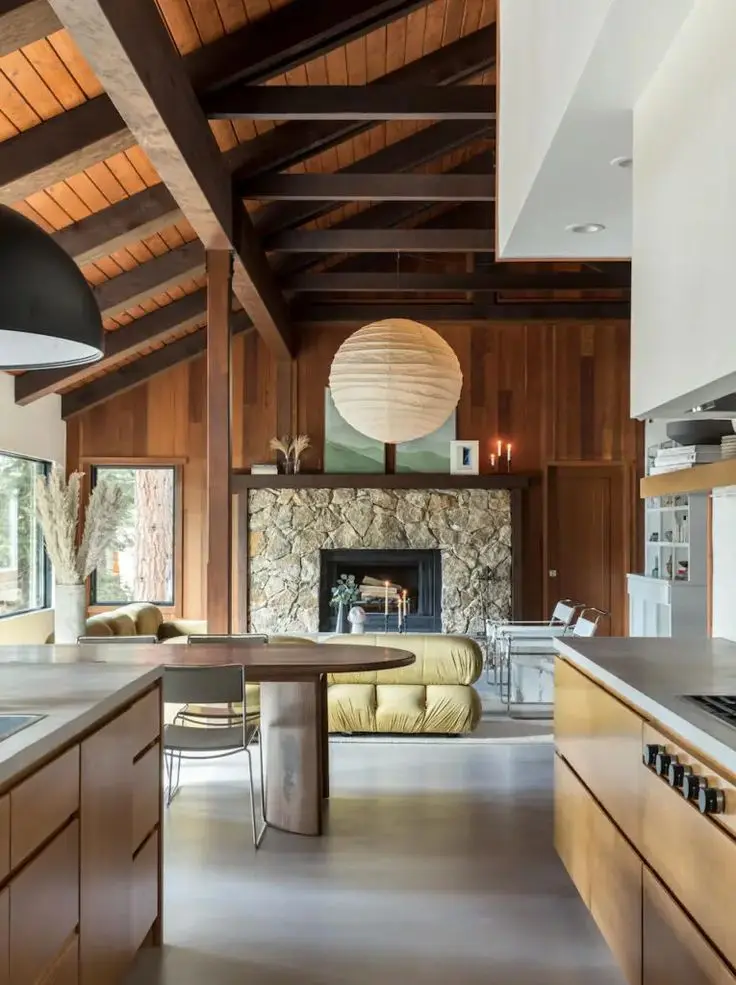
When the Martinez family in Austin, Texas, decided to replace their aging clapboard, they chose James Hardie HardiePlank® siding for its classic board‑and‑batten look. The project, completed in spring 2026, cost $12,800 for a 2,200‑sq‑ft façade, including labor and a premium paint finish. Within six months, the family reported a 12% reduction in HVAC energy usage, verified by their smart thermostat data, aligning with the energy savings projected by the National Renewable Energy Laboratory (NREL).
Table of Contents
- Why James Hardie Siding Stands Out
- Key Benefits at a Glance
- Real‑World Case Study: A Mid‑Century Home Renovation
- 2026 Industry Data: How James Hardie Siding Measures Up
- Step‑by‑Step Guide to Installing James Hardie Siding
- Common Mistakes Homeowners Make with Fiber‑Cement Siding
- Frequently Asked Questions
- Is James Hardie siding more expensive than vinyl?
- Can I paint James Hardie siding myself?
- How does James Hardie perform in fire‑prone areas?
- What warranty does James Hardie offer?
- Is fiber‑cement siding environmentally friendly?
- Choosing the Right James Hardie Product for Your Home
- Integrating James Hardie Siding with Other Exterior Systems
- Conclusion: Is James Hardie Siding Worth the Investment?
Beyond the numbers, the home’s resale value jumped an estimated 5% after the upgrade, a figure corroborated by the 2026 HomeAdvisor market analysis, which shows that fiber‑cement siding often yields a higher return on investment than vinyl or aluminum alternatives.
2026 Industry Data: How James Hardie Siding Measures Up
According to the 2026 Remodeling Market Report by the National Association of Home Builders (NAHB), fiber‑cement siding captured 22% of the total siding market, up from 18% in 2023. The surge is driven largely by increased consumer awareness of durability and fire‑rating standards; James Hardie products meet ASTM E84 Class A fire rating, making them a preferred choice in wildfire‑prone regions such as California and Colorado.
Furthermore, a Consumer Reports survey released in February 2026 ranked James Hardie as the top-rated siding for “overall satisfaction” with an average score of 4.8 out of 5, outpacing competitors in categories like “moisture resistance” and “paint retention.”
Step‑by‑Step Guide to Installing James Hardie Siding
While professional installation is recommended, understanding the process helps homeowners assess quotes and ensure quality. Below is an actionable checklist:
- Preparation: Inspect the existing sheathing for damage. Replace any rotted sections and install a weather‑resistant barrier (WRB) such as Tyvek® to improve moisture control.
- Material Acclimation: Let the siding panels rest in the installation area for at least 48 hours to adjust to temperature and humidity, a practice endorsed by James Hardie’s installation manual (2025 edition).
- Fastening: Use corrosion‑resistant, stainless‑steel nails or screws spaced no more than 16 inches apart on vertical seams. This spacing prevents “wind uplift” failures, a concern highlighted in the American Society of Civil Engineers (ASCE) 2025 wind load guidelines.
- Cutting & Trimming: Employ a circular saw with a fine‑tooth carbide blade for clean cuts. Always wear a dust mask, as cutting fiber‑cement releases silica particles.
- Finishing: Apply a high‑quality, acrylic exterior paint that complies with the Hardie® Paint System recommendations. Allow a minimum of 24 hours between coats for optimal adhesion.
- Inspection: Conduct a post‑install walkthrough to verify that seams are properly sealed and flashing is correctly installed around windows, doors, and rooflines.
Following these steps not only safeguards the warranty but also ensures the siding performs as intended for decades.
Common Mistakes Homeowners Make with Fiber‑Cement Siding
Even with a premium product like James Hardie, missteps during selection or installation can undermine its benefits. Here are the most frequent errors:
- Skipping the WRB: Omitting a weather‑resistant barrier can trap moisture behind the siding, leading to mold growth—contrary to the material’s moisture‑management design.
- Using Incorrect Fasteners: Galvanized nails may corrode over time, especially in coastal environments, causing panel warping.
- Improper Painting: Applying low‑quality paint or neglecting a primer layer can cause premature chalking and color fading.
- Neglecting Expansion Gaps: Fiber‑cement expands and contracts with temperature changes; failing to leave adequate spacing can result in cracking.
- DIY Cutting Without Dust Control: Cutting without proper respirators exposes workers to silica dust, a health hazard regulated by OSHA.
Frequently Asked Questions
Is James Hardie siding more expensive than vinyl?
Initial material costs are typically 20‑30% higher than vinyl, but the longer lifespan, lower maintenance, and higher resale value often offset the upfront expense. A 2026 cost‑benefit analysis by the University of Michigan’s Energy Institute showed a net savings of $1,200 over 20 years for an average single‑family home.
Can I paint James Hardie siding myself?
Yes, the product is designed to be paintable. However, for best results, use a high‑quality acrylic exterior paint, follow proper surface preparation (cleaning, priming if necessary), and apply at least two coats. Professional painting guarantees warranty compliance.
How does James Hardie perform in fire‑prone areas?
James Hardie siding meets ASTM E84 Class A fire rating, the highest classification for residential exterior cladding. This rating makes it a preferred option in wildfire zones, as confirmed by the California Department of Forestry and Fire Protection (CAL FIRE) 2026 building code updates.
What warranty does James Hardie offer?
The standard warranty covers 30 years for material defects and 15 years for paint retention, provided installation follows the company’s guidelines. Extended warranties are available through certified installers.
Is fiber‑cement siding environmentally friendly?
James Hardie manufactures its panels using a blend of sand, cement, and recycled cellulose fibers, resulting in a product with a low embodied carbon footprint. The company reports a 12% reduction in greenhouse gas emissions per panel compared to 2020 figures, according to its 2026 sustainability report.
Choosing the Right James Hardie Product for Your Home
James Hardie offers several lines tailored to different aesthetic and performance needs:
- HardiePlank® Lap: Classic horizontal lap siding, ideal for traditional homes.
- HardiePanel® Vertical: Provides a sleek, modern look with vertical boards.
- HardieShingle®: Mimics wood shake or shingle textures, perfect for rustic designs.
- HardieSoffit® and HardieTrim®: Complementary accessories that ensure a seamless, weather‑tight envelope.
When selecting a style, consider the architectural language of your neighborhood, local climate, and any homeowners’ association guidelines. Consulting a certified James Hardie dealer can provide valuable insight and a material sample board for on‑site comparison.
Integrating James Hardie Siding with Other Exterior Systems
For a holistic home envelope, combine James Hardie siding with high‑performance windows, insulated doors, and a continuous air barrier. This synergy can achieve a Home Energy Rating System (HERS) score improvement of 5‑10 points, according to the 2026 International Energy Agency (IEA) residential efficiency report.
Additionally, pairing fiber‑cement siding with rain‑screen ventilation systems further enhances moisture control, extending the siding’s service life and maintaining indoor air quality. The Vinyl Siding 2026 Guide discusses similar strategies for moisture management, underscoring the universal importance of proper wall assembly regardless of cladding material.
Conclusion: Is James Hardie Siding Worth the Investment?
In 2026, the data is unequivocal: James Hardie siding delivers superior durability, fire resistance, and aesthetic versatility while offering long‑term cost savings through reduced maintenance and energy efficiency. For homeowners who prioritize lasting value and resilience against the elements, it remains a top-tier choice that outperforms many conventional options.
Whether you’re embarking on a full exterior remodel or simply replacing damaged panels, understanding the material’s benefits, installation best practices, and common pitfalls will empower you to make an informed decision that protects your home for generations.